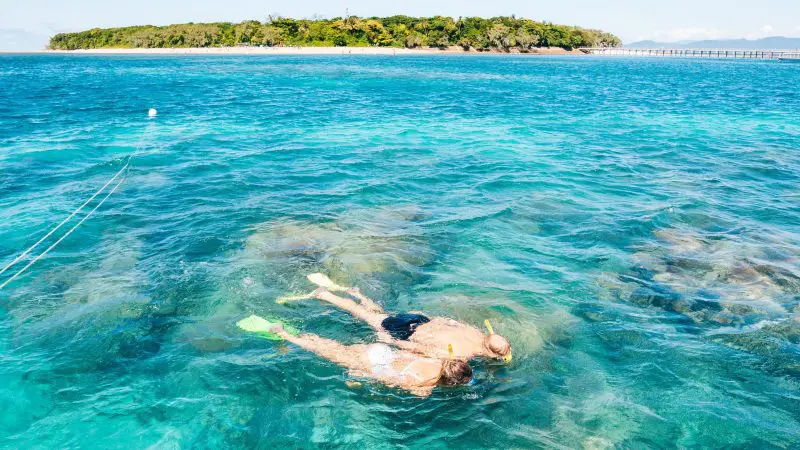
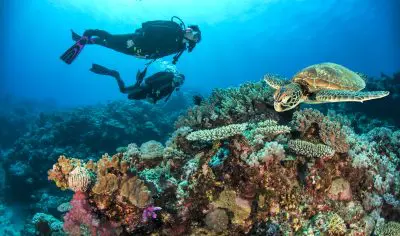
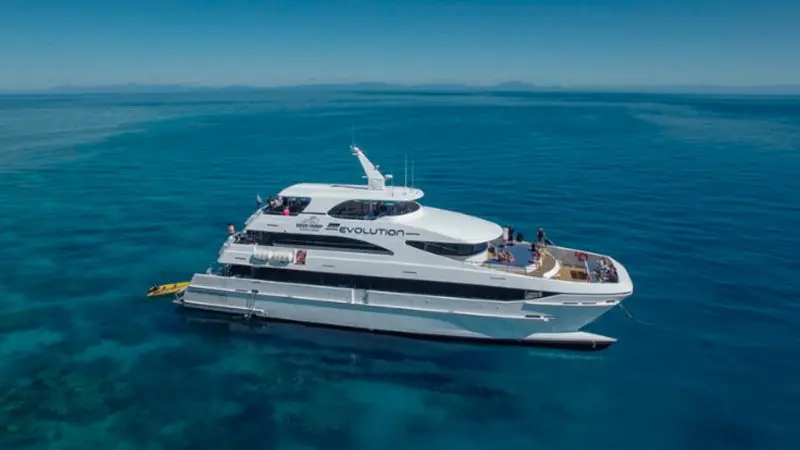
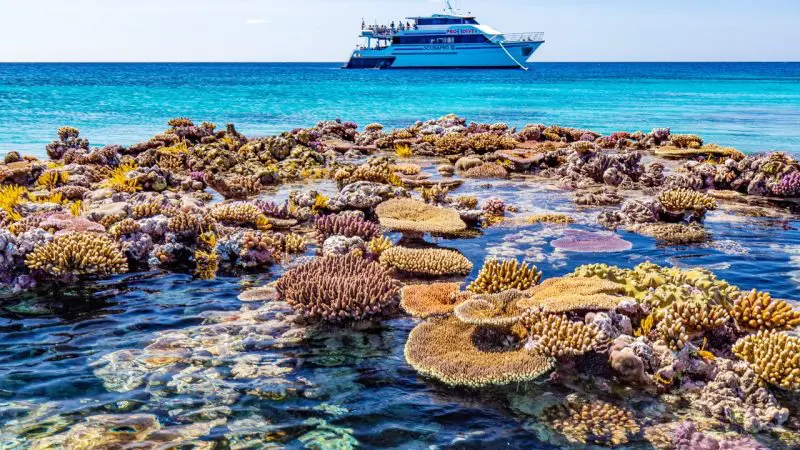
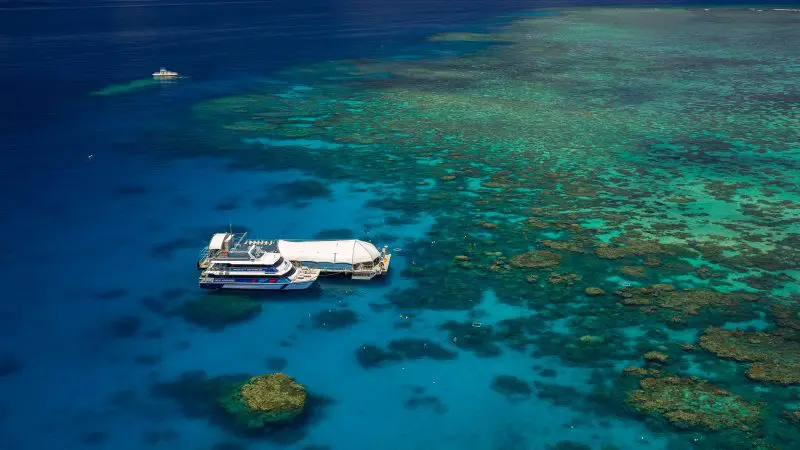
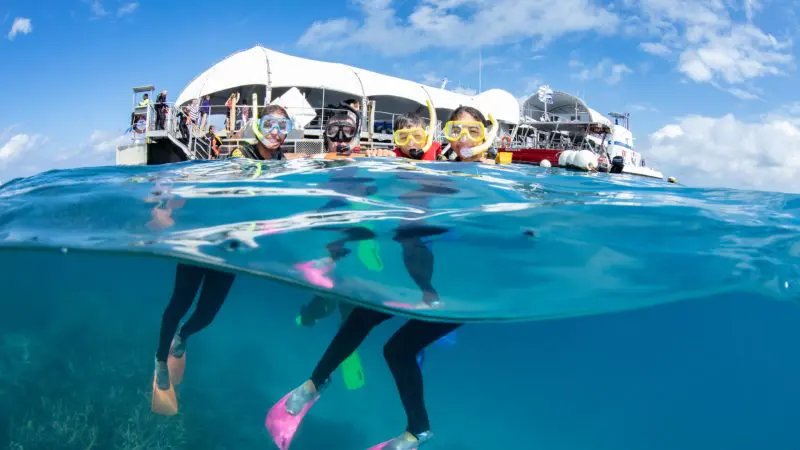
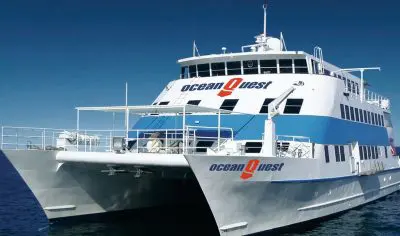
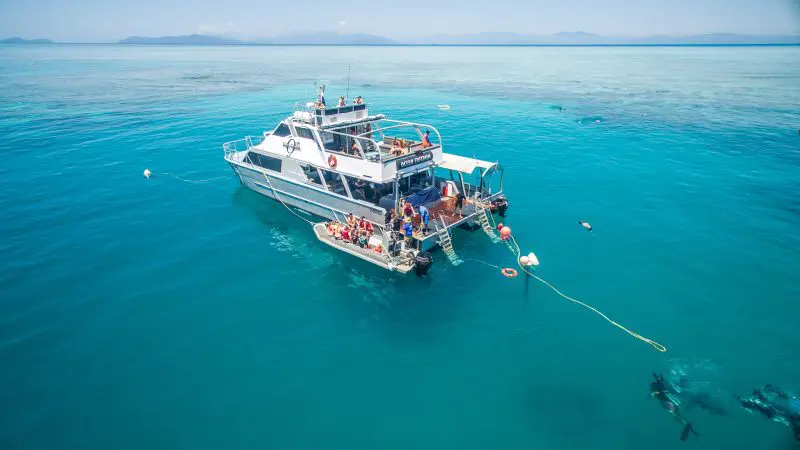
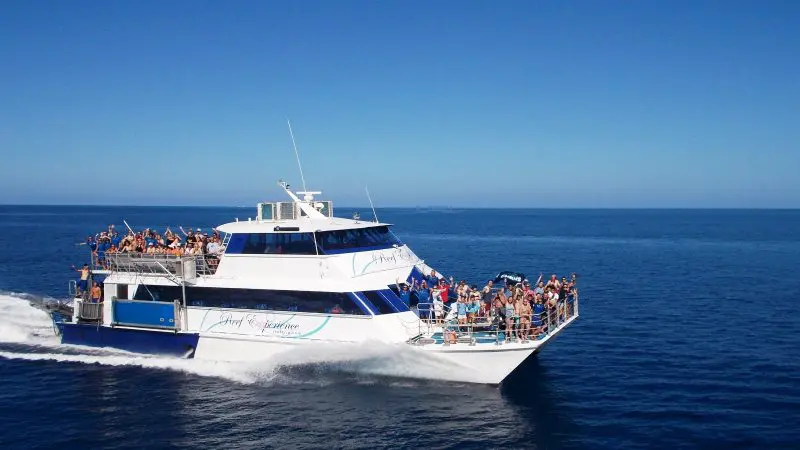
Australia and New Zealand serve up some of the most unreal diving experiences anywhere. Warm tropical reefs, volcanic coastlines, marine reserves and shipwrecks create the perfect playground for both beginners and certified divers. Whether you want world-class coral, close-up encounters with turtles and rays, or deep-blue fjord dives, this part of the world does underwater adventure better than most.
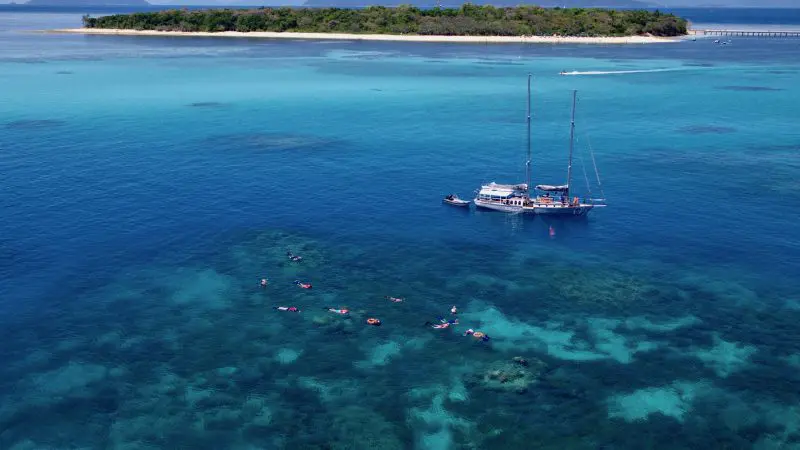
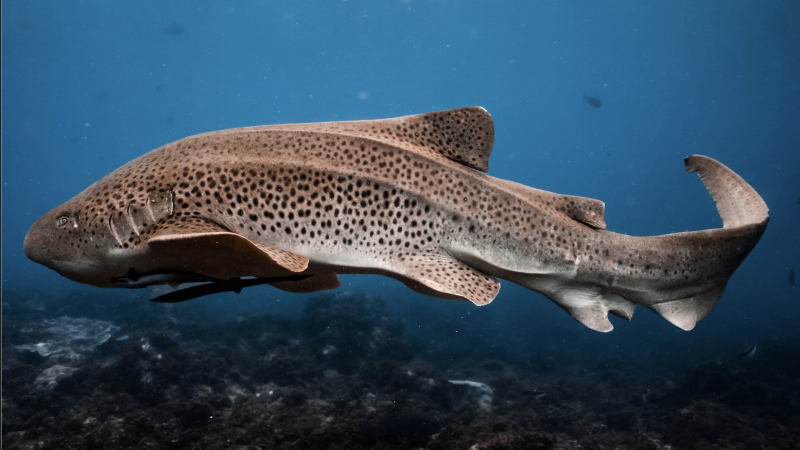
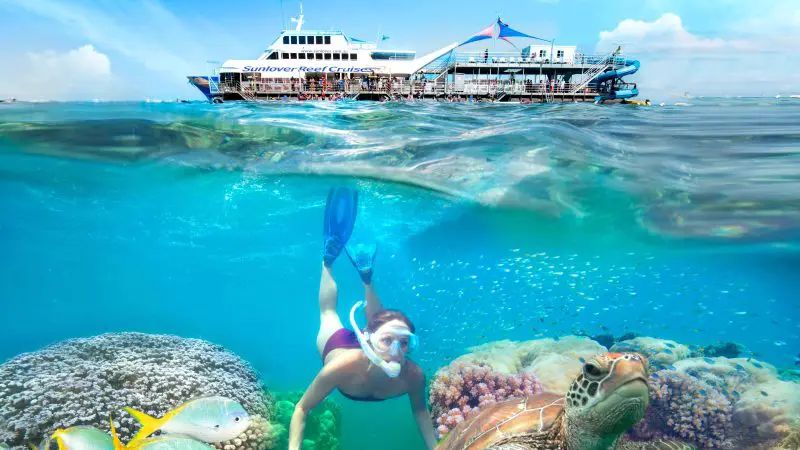
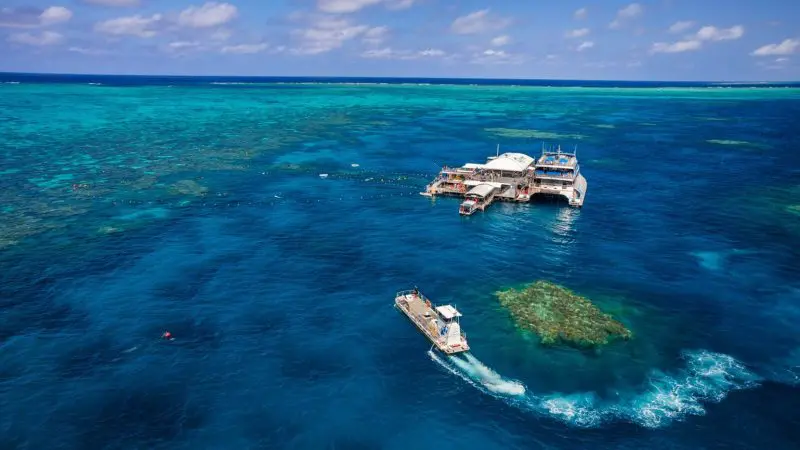
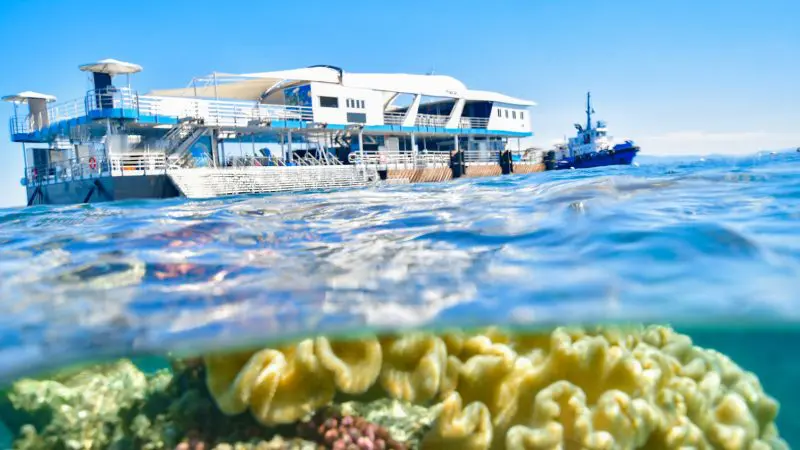
In Australia, the Great Barrier Reef is the headline act with vibrant coral gardens, drift dives, manta cleaning stations and easy intro dives for first-timers. Further south, wreck diving hotspots, grey nurse shark sites and island marine parks keep things exciting. New Zealand brings a wilder edge with kelp forests, volcanic rock formations and clear-water reserves filled with unique marine life.
If you’re chasing unforgettable dives without the hassle of planning, Peterpans has your back with reef trips, certification courses and multi-day dive adventures sorted for you.
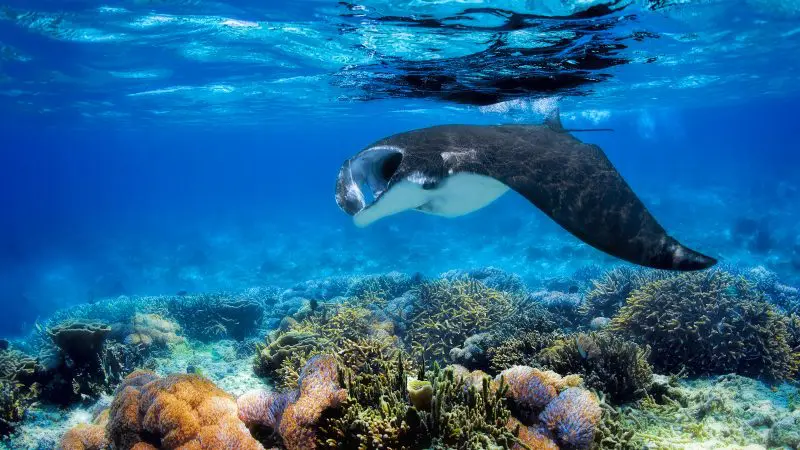
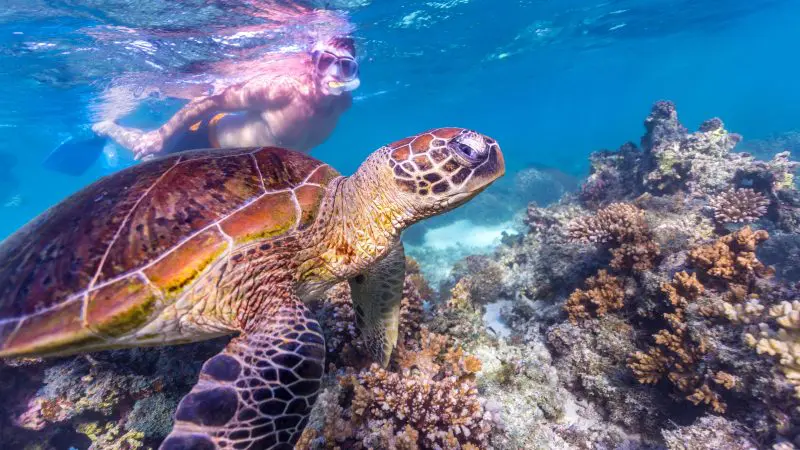

Australia’s top diving locations include the Great Barrier Reef, the SS Yongala wreck, Ningaloo Reef, Lord Howe Island and Julian Rocks. Cairns is the most popular starting point thanks to easy access to warm reefs, beginner-friendly conditions and world-class marine life.
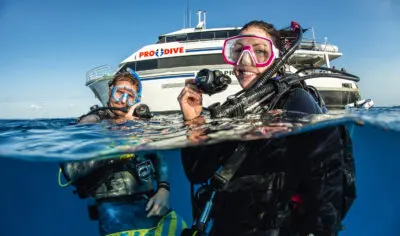
Yes. Cairns and Port Douglas offer excellent intro dives with shallow coral gardens, gentle currents and expert instructors. You don’t need previous diving experience—Peterpans can book beginner-friendly reef tours and learn-to-dive packages.
New Zealand offers cooler-water diving with volcanic rock formations, kelp forests, marine reserves and species you won’t find on tropical reefs. Popular spots include the Poor Knights Islands, Bay of Islands and Fiordland for advanced divers.
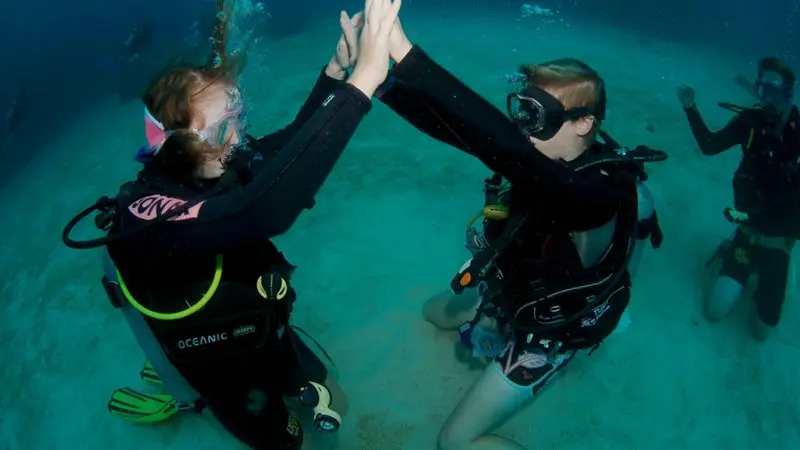
Not always. Introductory dives are available on many Great Barrier Reef and New Zealand trips, allowing you to dive without certification. If you want to explore deeper sites or join multiple-day dive tours, a PADI or SSI certification is recommended and can be booked through Peterpans.
The Great Barrier Reef is great year round, with the clearest visibility from June to November. Ningaloo Reef’s manta and whale shark seasons run from March to July, making it another top option.
Summer (December to March) offers the warmest water and best visibility. Winter delivers dramatic underwater scenery and fewer crowds but requires thicker wetsuits or drysuit experience.
A swimsuit, towel, reef-safe sunscreen, water bottle and motion-sickness tablets if needed. All diving equipment is provided on most tours, and multi-day trips include meals and accommodation options.